“Research is formalized curiosity. It is poking and prying with a purpose.”― Zora Neale Hurston
In my 11th season of research I have never been this speechless when finding out information about my ancestors. It was late, I lost track of time, and for the life of me couldn’t remember the place my paternal great-grandmother was born. I rubbed my eyes over and over—should I be wearing glasses? Yes. Did rubbing my eyes help me remember? No. But it did lead me to the thought of my Grandma who used to wear glasses which sent my sleepy thoughts right on over to Ancestry.
Pulled up a working tree I had started less than a week ago, I scanned my records looking for the answer and with a sigh of relief was happy to have eyes on it. Locations mean something to me. It means proof of life, identity, and serves as a base for my research. St.Inigoes, Maryland—I knew it had a Saint in there somewhere.
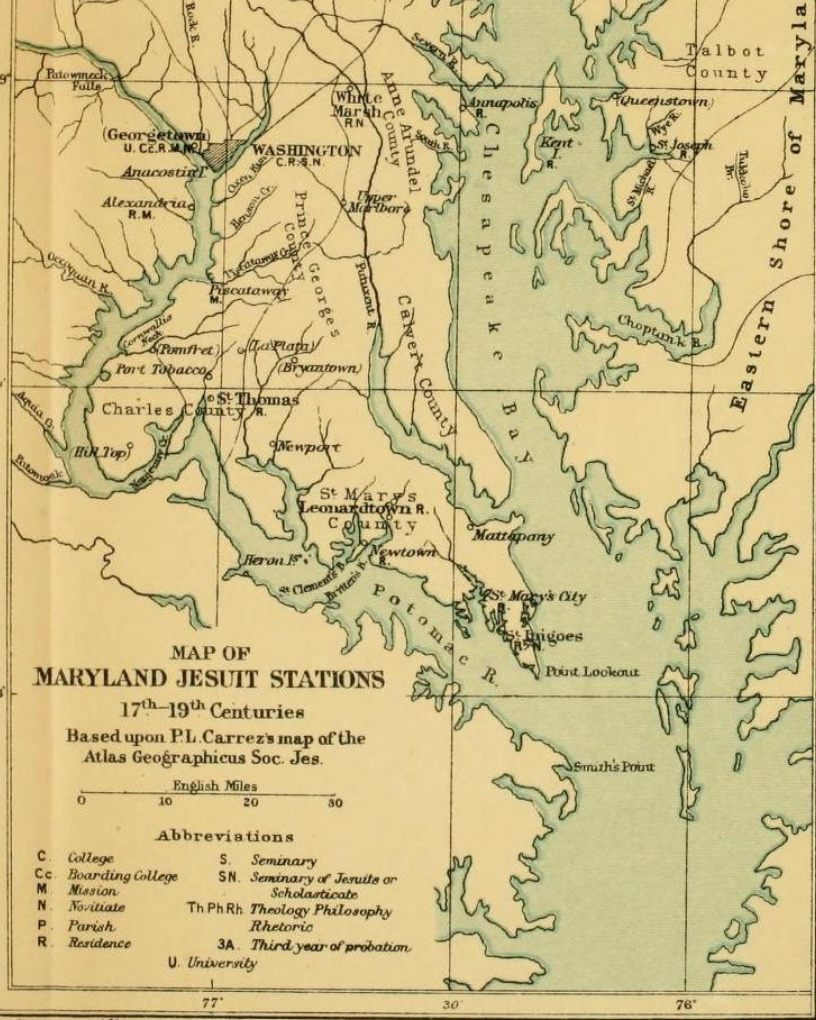
I’ve always felt a spiritual connection to water. So, it was no surprise that my ancestors’ labor washed into the waters of southern Maryland. This is where we really began our journey together, at St.Inigoes, St. Mary’s County, where the Maryland Jesuits colonized—started their tobacco plantation with the labor of the enslaved.
I’ll introduce my ancestors and research over the course of this series with the goal of identifying whether or not they were a part of the biggest sell of human beings in US history by the Jesuits.
As I return back to my research I think of griots, the truth seekers, the archivist—the ones who came before me with truth to be told.
We give thanks for this information and may the ancestors come forth with they truth.
From sea to the shore…truth be told.
 truth be told
Leave a comment